2026 Best Acid Zinc Electroplating Techniques for Optimal Performance?
Acid Zinc Electroplating has become a pivotal technique in surface finishing. It offers excellent corrosion resistance and aesthetic appeal for various applications. Industries rely on this method for enhancing the durability of components. Understanding the best practices for Acid Zinc Electroplating is vital for optimal performance.
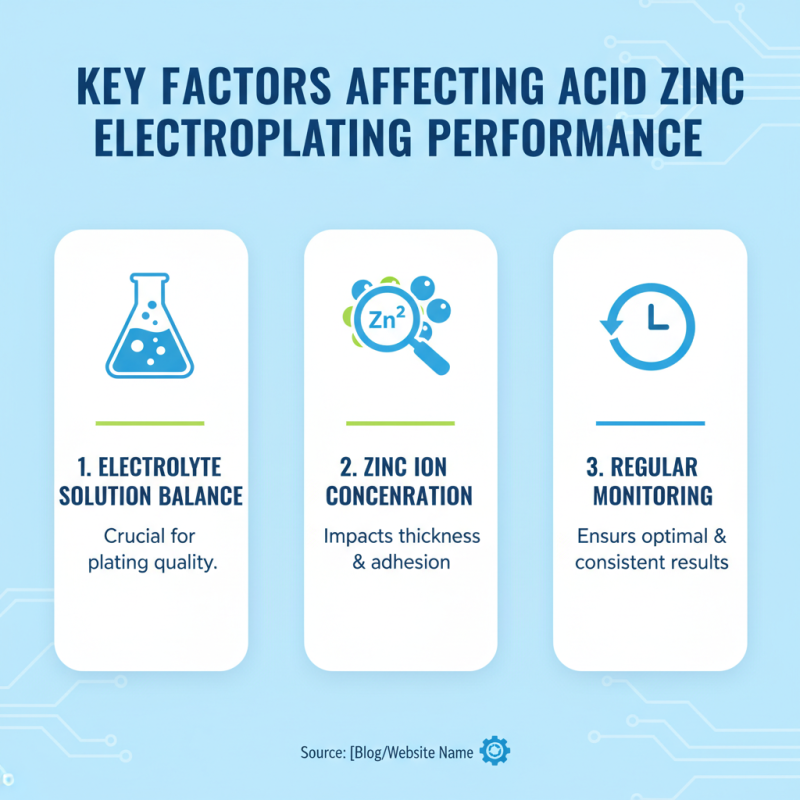
Recent advancements provide insights into improving plating efficiency. However, achieving consistent results can be challenging. Factors such as bath composition and temperature require careful monitoring. Many practitioners struggle to balance quality with cost-effectiveness. It is essential to observe and refine these processes to prevent defects.
As we explore the best Acid Zinc Electroplating techniques for 2026, we must consider both established methods and emerging innovations. The landscape is constantly evolving, and staying updated is crucial. Continuous learning and adaptation will enhance performance and maintain industry standards. Ultimately, the focus should be on reliability and effectiveness in every step.
Advancements in Acid Zinc Electroplating Techniques for 2026
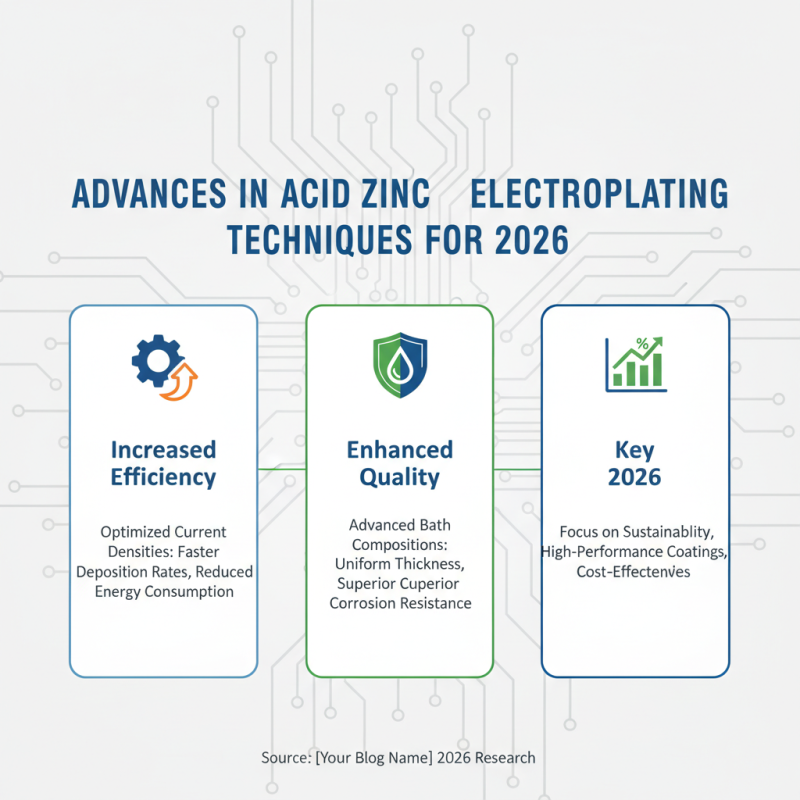
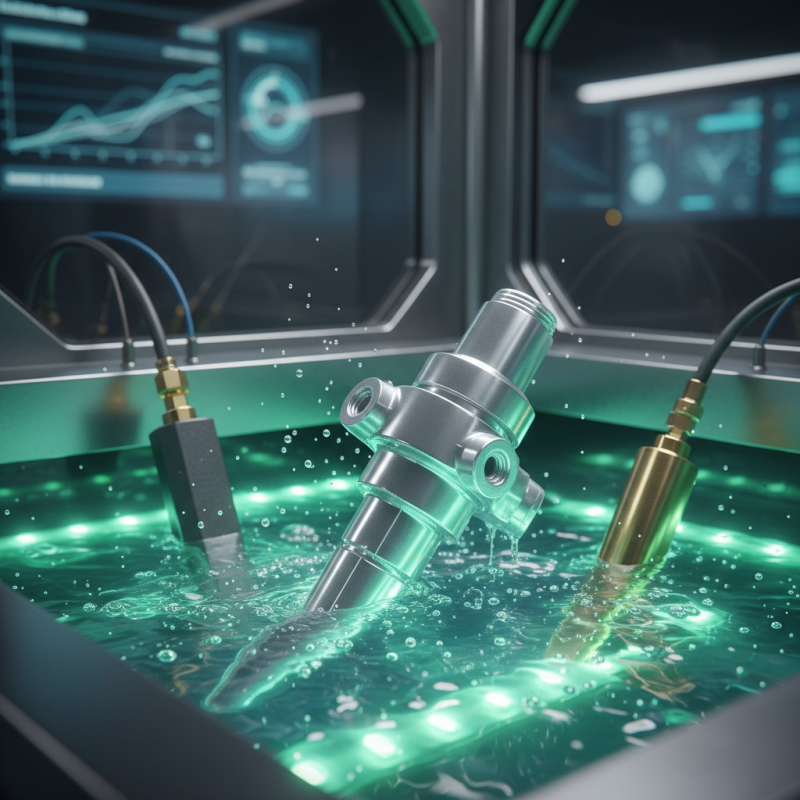
Acid zinc electroplating is evolving rapidly. New techniques are enhancing performance in remarkable ways. The focus of advancements in 2026 is on efficiency and quality. This year's trends emphasize improving bath compositions and optimal current densities for achieving better coatings.
One significant shift is the development of eco-friendly additives. These not only enhance film properties but also reduce environmental impact. Testing and feedback loops can refine these techniques further. It's crucial to monitor coating thickness closely. Too much or too little can ruin the finish and reduce durability.
**Tip:** Regular calibration of equipment ensures consistent results. Pay attention to temperature controls.
Innovations in automation are noteworthy. They allow for precise control over the plating process. Yet, the technology requires skilled operators. This highlights a gap in training and expertise. Companies must invest in team education to leverage new techniques effectively.
**Tip:** Invest in continuous training programs for staff. This can drastically improve your operational efficiency and product quality.
Comparative Analysis of Different Acid Zinc Electroplating Processes
Acid zinc electroplating is a process that offers protective coatings for various metal surfaces. This method is popular because of its affordability and effectiveness. However, several techniques exist within this category, each with distinct advantages and drawbacks. Understanding these differences is essential for optimizing performance in specific applications.
One common technique involves using a brightener to achieve a shiny finish. This approach can lead to excellent aesthetic qualities. Yet, it may not always provide the same level of corrosion resistance as other methods. Another popular technique uses additives that enhance the deposit's hardness. While this can improve wear resistance, it may introduce complexities in maintaining process stability. Finding the right balance between aesthetics and performance can be challenging.
Another aspect to consider is the bath composition. Variations in pH levels can significantly impact the plating process. Some processes require more frequent monitoring and adjustments. In contrast, others might be more forgiving. The choice of electrolyte can affect both deposit quality and operational efficiency. It's crucial to evaluate the intended application to determine which process best suits the requirements. Each technique invites a careful analysis to maximize the benefits while minimizing drawbacks.
2026 Best Acid Zinc Electroplating Techniques for Optimal Performance
| Technique |
Bath Composition |
pH Level |
Deposit Thickness (µm) |
Corrosion Resistance (hrs) |
Process Speed (µm/min) |
| Technique A |
ZnSO4, NH4Cl |
5.0 - 6.0 |
8-12 |
120 |
1.5 |
| Technique B |
ZnCl2, NaCl |
4.0 - 5.5 |
10-15 |
150 |
2.0 |
| Technique C |
Zn acetate, Boric acid |
6.2 - 6.8 |
15-20 |
180 |
1.8 |
Innovative Solutions for Common Acid Zinc Electroplating Challenges
Navigating the challenges of acid zinc electroplating requires innovative solutions. This process is vital in various industries, including automotive and electronics, due to its excellent corrosion resistance and bright finish. Recent industry reports indicate that approximately 30% of electroplating failures stem from poor solution management. Maintaining precise temperature, pH, and metal content is crucial. Regular monitoring and adjustments can prevent these failures.
To enhance the plating process, it is essential to understand the chemistry involved. Using additives can improve adhesion and deposit quality. However, selecting the right combination is vital. Mismanagement can lead to reduced performance and quality issues. Testing new formulations in small batches helps mitigate risks.
Tip: Regularly calibrate your equipment to ensure accurate measurements. This prevents common issues caused by fluctuating parameters. Consider using a closed-loop system to recirculate and treat spent solution, reducing waste and costs. This not only improves productivity but also aligns with sustainability practices in the electroplating industry.
Future Trends in Acid Zinc Electroplating Technology Development
Acid zinc electroplating is evolving rapidly. As industries demand higher performance and durability, manufacturers are exploring innovative techniques. Future trends indicate a move towards more efficient electrolyte formulations. These formulations aim to enhance adhesion properties and corrosion resistance.
Another area gaining attention is automation in electroplating processes. Automated systems can improve consistency and reduce waste. However, the initial investment may pose challenges for smaller operations. Adjustments to workforce training will be crucial. A knowledgeable team can maximize the benefits of these new technologies.
Sustainability is increasingly becoming a priority. Companies are seeking ways to minimize environmental impact while maximizing productivity. Research into biocompatible chemicals and renewable energy sources is promising. Yet, implementing these ideas often requires overcoming technical hurdles. The industry must remain adaptable and open to change.
2026 Best Acid Zinc Electroplating Techniques for Optimal Performance
The chart above illustrates the performance ratings of various acid zinc electroplating techniques based on key parameters. Each parameter is rated on a scale from 1 to 10, providing insights into their effectiveness for optimal plating performance in 2026.