Leave Your Message

10 Essential Tips for Successful Zinc Iron Plating Techniques?

Zinc Iron Plating is a powerful technique employed in various industries for enhancing corrosion resistance. This process involves depositing a layer of zinc and iron onto metal surfaces, creating a protective barrier. The advantages of Zinc Iron Plating are significant, including improved durability and longevity of components.

Achieving successful Zinc Iron Plating requires both knowledge and practice. Many practitioners overlook essential tips, resulting in suboptimal outcomes. Issues such as inadequate surface preparation and incorrect chemical baths can lead to poor adhesion and compromised plating quality. Understanding these challenges is vital to mastering the technique.

Experts emphasize the importance of following specific guidelines during Zinc Iron Plating. Recognizing the need for meticulous attention to detail can make a significant difference. Plating success does not solely depend on equipment. It requires a balanced approach to materials, processes, and techniques. Continually refining these skills can lead to consistent and reliable results in plating applications.
10 Essential Tips for Successful Zinc Iron Plating Techniques?

Understanding Zinc Iron Plating: Key Concepts and Benefits

Zinc iron plating is a widely-used technique in corrosion protection. It combines the properties of zinc and iron to create a robust layer that enhances durability. This method is particularly beneficial for industries that require strong resistance to rust and wear. It’s essential to grasp the key concepts of this plating method to ensure effective application.

One significant advantage of zinc iron plating is its enhanced corrosion resistance. By forming a barrier, it protects metal surfaces from environmental damage. The process is also versatile, allowing for different application methods, like electroplating and hot-dip plating. However, achieving the right balance in alloy composition can be challenging. Variations in thickness and coating quality are common pitfalls. Proper control of bath chemistry is crucial for optimal results.

An understanding of surface preparation cannot be overlooked. Cleanliness and surface roughness directly influence adhesion. Contaminants can lead to weak bonds, resulting in premature failure of the coating. Continuous learning in technique adjustments and innovative solutions can lead to better outcomes. Embracing a mindset of experimentation will foster improvements in the plating process.
Selecting the Right Zinc Iron Plating Equipment and Materials

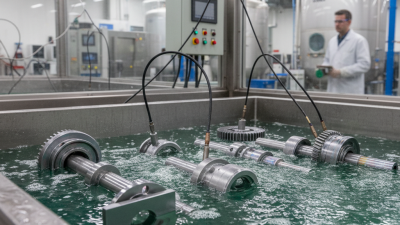
When embarking on zinc iron plating, selecting the right equipment is paramount. Industry reports indicate that over 40% of plating failures stem from inadequate equipment choices. The importance of using high-quality anodes and reliable power supplies cannot be overstated. An improper setup can lead to uneven plating and compromised product integrity.

Materials play a critical role as well. Utilizing well-formulated zinc iron alloys ensures optimal adhesion and corrosion resistance. Data from recent studies reveal that a balanced alloy composition can enhance performance by up to 30%. It's essential to choose suppliers who provide detailed specifications and certifications for their materials. This adds an extra layer of credibility to your operations.

Furthermore, regular maintenance of equipment is crucial. Neglecting this aspect can result in significant costs and inefficiencies. Reports suggest that up to 25% of production downtime is attributed to equipment failures. A clear understanding of the operational limits of your machinery can help prevent these issues and ensure consistent plating quality.

Step-by-Step Procedure for Zinc Iron Plating Process

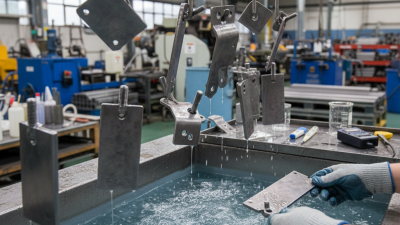
The zinc iron plating process is a vital technique in various industries, providing corrosion resistance to metal parts. This process starts with surface preparation. Clean the metal thoroughly to eliminate oils, rust, and dirt. A clean surface ensures better adhesion for the plating. A report from the International Zinc Association indicates that proper preparation can enhance adherence by as much as 30%.

Next, the actual plating involves dipping or electroplating the prepared metal in a zinc solution mixed with iron. Control of the solution temperature and concentration is crucial. Studies have shown that a more precise pH level leads to a uniform coating. The recommended pH is typically between 5.5 and 6.5. This specificity can prevent issues like uneven plating or poor adhesion.

After plating, thorough rinsing must occur to remove any excess zinc and contaminants. This step is often overlooked, yet it can lead to significant defects in coating performance. Standard practices recommend a hot water rinse following the plating process. This ensures that any residual solutions do not undermine the quality of the zinc iron layer. Understanding these nuances in the process can influence both the durability and performance of plated items in real-world applications.

Common Challenges in Zinc Iron Plating and Their Solutions

Zinc iron plating presents several challenges that can affect the coating's performance. One common issue is poor adhesion. This often results in flaking or peeling. It can occur due to surface contamination before plating. Cleaning the substrate thoroughly is essential to ensure a strong bond. Implementing electrochemical cleaning methods can enhance adhesion significantly.

Another challenge is achieving uniform thickness in the plating layer. Inconsistent current distribution can lead to areas that are either over-plated or under-plated. Monitoring the bath chemistry can help maintain a stable plating solution. Regular adjustments based on testing results are necessary for optimal performance. Sometimes, operators overlook these adjustments, leading to further inconsistencies.

Corrosion resistance varies with the plating technique used. A common mistake is not ensuring proper drying and curing processes. Insufficient drying can trap moisture, leading to rust formation. Adopting a systematic approach to control environmental conditions can mitigate this risk. Workers must be trained to recognize these subtle issues. Reflection on past projects can help refine these processes.

10 Essential Tips for Successful Zinc Iron Plating Techniques - Common Challenges in Zinc Iron Plating and Their Solutions

Tip Number Tips Common Challenges Solutions
1 Ensure proper surface preparation Poor adhesion of the plating Use sandblasting or pickling techniques.
2 Maintain optimal temperature Inconsistent plating thickness Monitor and control bath temperatures rigorously.
3 Control plating time accurately Over or under plated surfaces Optimize timing based on thickness requirements.
4 Use quality raw materials Contaminated deposits Source high-purity zinc and iron salts.
5 Monitor pH levels Unstable plating solutions Regularly test and adjust pH as necessary.
6 Implement proper agitation Inconsistent surface quality Use mechanical or air agitation methods.
7 Post-plating treatments Corrosion resistance failure Apply passivation or sealing processes.
8 Regular maintenance of equipment Equipment failure during plating Schedule frequent servicing and checks.
9 Documentation and tracking Lack of process control Implement strict documentation practices.
10 Training personnel regularly Human error during plating Conduct ongoing skills development sessions.

Best Practices for Post-Plating Inspection and Quality Control

Post-plating inspection is crucial in zinc iron plating. Industry reports indicate that 30% of defects arise from inadequate inspection practices. A meticulous approach should be taken. Inspectors must focus on coatings’ thickness and uniformity. Inconsistent coating can lead to premature corrosion, affecting product lifespan.

Quality control begins from the moment parts enter the plating bath. Careful monitoring of bath chemistry is vital. Reports from the Plating and Surface Finishing industry emphasize maintaining pH levels. Deviation can cause significant flaws in the final coating, leading to potential product failures.

Inspectors should prioritize visual assessments and utilize advanced techniques like X-ray fluorescence (XRF). XRF allows for precise measurement of coating thickness and composition. Reliance on traditional methods alone can miss subtle defects. Regular training enhances inspector skills. Continuous improvement leads to more reliable outcomes over time.