Top 10 Uses of Zinc Nickel Alloy in China Today?
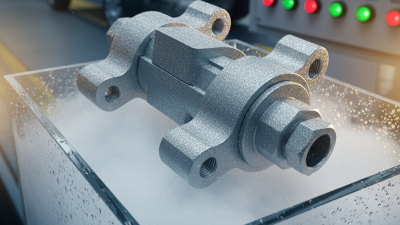
Zinc Nickel alloy has gained significant traction in various industries in China today. This versatile material is highly valued for its corrosion resistance and durability. Leading industry expert Dr. Lian Zhang highlighted its importance stating, "Zinc Nickel alloy plays a crucial role in enhancing the lifespan of components in harsh environments."
The use of Zinc Nickel alloy extends beyond traditional applications. It is now seen in automotive, aerospace, and electronic industries. These sectors require materials that can withstand extreme conditions. Zinc Nickel alloy meets these demands by providing superior protection against rust and degradation. Many manufacturers have adopted it for fasteners and structural components, reflecting a shift towards more sustainable options.
However, there are challenges to consider. The application processes for Zinc Nickel alloy can be complex. Not every company has the expertise to harness its full potential. Therefore, ongoing education and training are necessary. Investing in knowledge will ensure that the industry continues to benefit from the advantages of Zinc Nickel alloy.
Primary Applications of Zinc Nickel Alloy in Automotive Industry
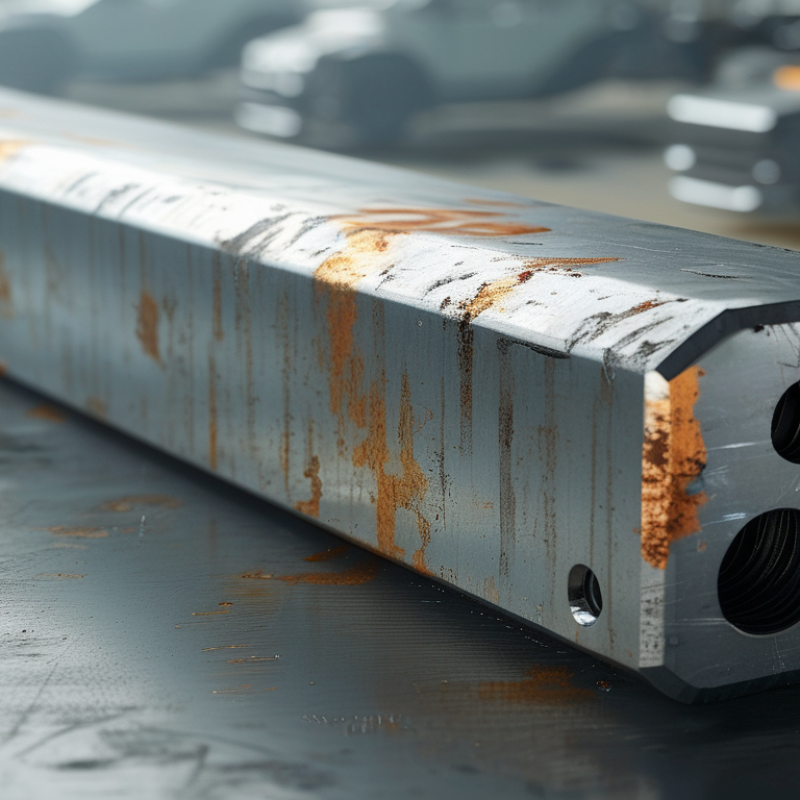
Zinc nickel alloy has become increasingly important in the automotive industry. Its unique properties make it suitable for various applications. This alloy offers excellent corrosion resistance, which is essential for vehicle longevity. In harsh environments, components are exposed to salt, moisture, and dirt. Zinc nickel protects metals effectively, reducing maintenance costs.
Another significant application is in manufacturing fasteners. High-strength bolts, nuts, and screws benefit from zinc nickel's durability. These fasteners not only resist corrosion but also maintain structural integrity under stress. Moreover, the alloy is used in plating processes. It enhances the surface of critical components like brake systems, axles, and suspension parts. These components must perform reliably, making zinc nickel an attractive choice.
While zinc nickel offers many advantages, there are areas that require attention. Some manufacturers face challenges in achieving uniform plating thickness. Inconsistent application can lead to weak points, potentially compromising safety. Quality control is vital to ensure the alloy meets automotive standards. Continuous research is essential for improving processes and addressing these concerns.
Zinc Nickel Alloy in Marine and Offshore Engineering Solutions
Zinc nickel alloy plays a pivotal role in marine and offshore engineering. This alloy exhibits remarkable corrosion resistance, making it ideal for harsh marine environments. According to industry reports, the alloy can outperform traditional coatings, enhancing the lifespan of marine structures. A recent study indicated that zinc nickel coatings could extend component life by over 30% compared to standard zinc coatings.
In offshore applications, the alloy's superior adhesion properties are particularly noteworthy. This feature helps it endure the rigors of wave action and salty air, reducing maintenance intervals significantly. The International Marine Organization anticipates that the demand for robust protective coatings will increase by 20% in the coming years, reflecting the growing recognition of zinc nickel alloy's benefits.
However, utilizing this material isn't without challenges. The application process requires precision and technical expertise, which can lead to inconsistencies. Moreover, while zinc nickel shows excellent performance, its cost can dissuade some manufacturers. Recognizing these imperfections is crucial for the industry to optimize the use of this promising alloy in marine solutions.
Role of Zinc Nickel Alloy in Electronics and Electrical Fields
Zinc nickel alloy is becoming essential in electronics and electrical applications. Its unique properties, such as high corrosion resistance and excellent conductivity, make it a favored choice. This alloy provides reliable protection for metal components, especially in harsh environments. It resists oxidation and corrosive chemicals, extending the lifespan of electronic devices.
In the context of electronic manufacturing, zinc nickel alloy is often utilized in connectors and circuit boards. The alloy minimizes failures in electrical connections, promoting better performance. However, there are challenges to consider. The alloying process can be inconsistent, leading to variations in quality. Ensuring consistent application is crucial for reliability.
Moreover, the alloy’s usage in power distribution systems showcases its potential. It protects against wear, but improper handling can cause issues. Proper training for personnel is essential to avoid contamination. Balancing cost and performance remains a topic for discussion, as the alloy can be expensive compared to alternatives. Overall, the role of zinc nickel alloy in electronics is vital yet requires careful management.
Application of Zinc Nickel Alloy in Aerospace Components
Zinc nickel alloy is gaining traction in the aerospace sector due to its excellent corrosion resistance and durability. Components made from this alloy excel in harsh environments, where reliability is paramount. For instance, it can be found in landing gear components, hydraulic systems, and engine parts. These applications benefit from the alloy’s lightweight nature while maintaining strength. The unique composition enhances performance, especially in high-stress situations typical in aerospace operations.
Engineers appreciate the versatility of zinc nickel alloy. It can be applied in various areas beyond basic components. For example, its ability to withstand extreme temperatures and pressure makes it suitable for critical applications. The alloy often conducts well under demanding conditions, which is crucial for aircraft safety. However, sourcing and processing this material can be challenging. Companies must ensure they maintain quality throughout production, which can sometimes lead to inconsistencies. Such issues highlight the importance of continuous improvement in manufacturing processes for aerospace innovations.
Zinc Nickel Alloy in Construction and Infrastructure Projects
Zinc nickel alloy has gained significant traction in construction and infrastructure projects across China. Its remarkable corrosion resistance makes it an ideal choice for structures exposed to harsh environmental conditions. Bridges, highways, and large buildings benefit greatly from this alloy. It extends the lifespan of these vital structures, reducing the need for frequent repairs. In coastal areas, where saltwater exposure is high, zinc nickel alloy performs exceptionally well.
In addition to corrosion resistance, this alloy provides superior wear resistance. In high-traffic areas, like urban transit systems, the longevity of materials is crucial. Using zinc nickel in fixtures and fittings enhances durability and performance. However, implementing this material requires careful consideration of manufacturing processes. The application techniques can affect the effectiveness of the alloy. Proper surface preparation and coating practices are essential for optimizing its benefits.
While zinc nickel alloy has many advantages, challenges exist. It may be more expensive compared to other materials in initial costs. Stakeholders need to evaluate these factors against long-term savings. Knowledge and experience in using this alloy are still developing in some regions. Continued education in this field is vital for maximizing effectiveness in construction projects.
Top 10 Uses of Zinc Nickel Alloy in China Today
This bar chart illustrates the distribution of Zinc Nickel Alloy applications across various sectors in China. The construction sector leads with the highest usage, while other industries like automotive, aerospace, and energy also significantly utilize this versatile alloy.